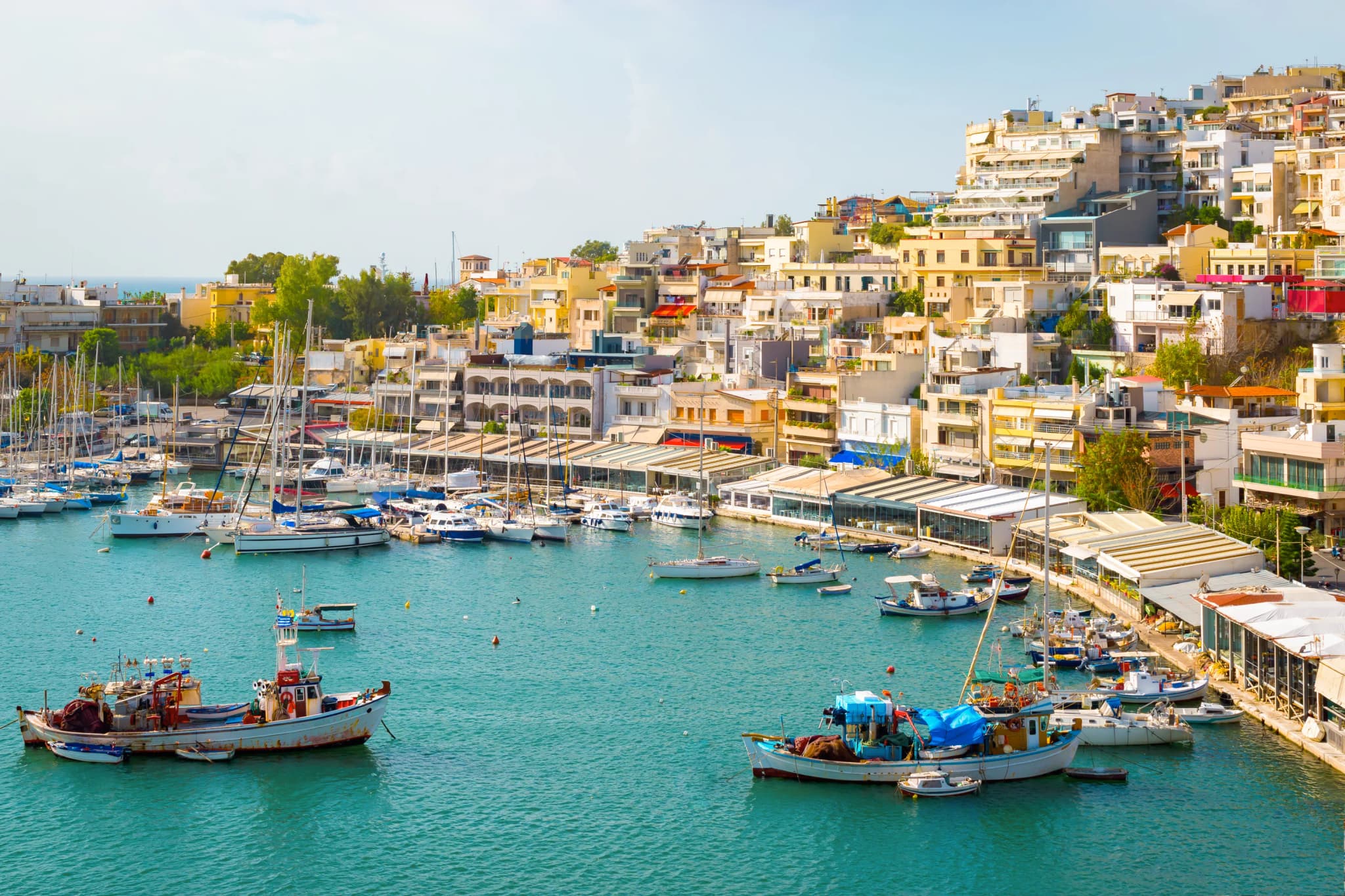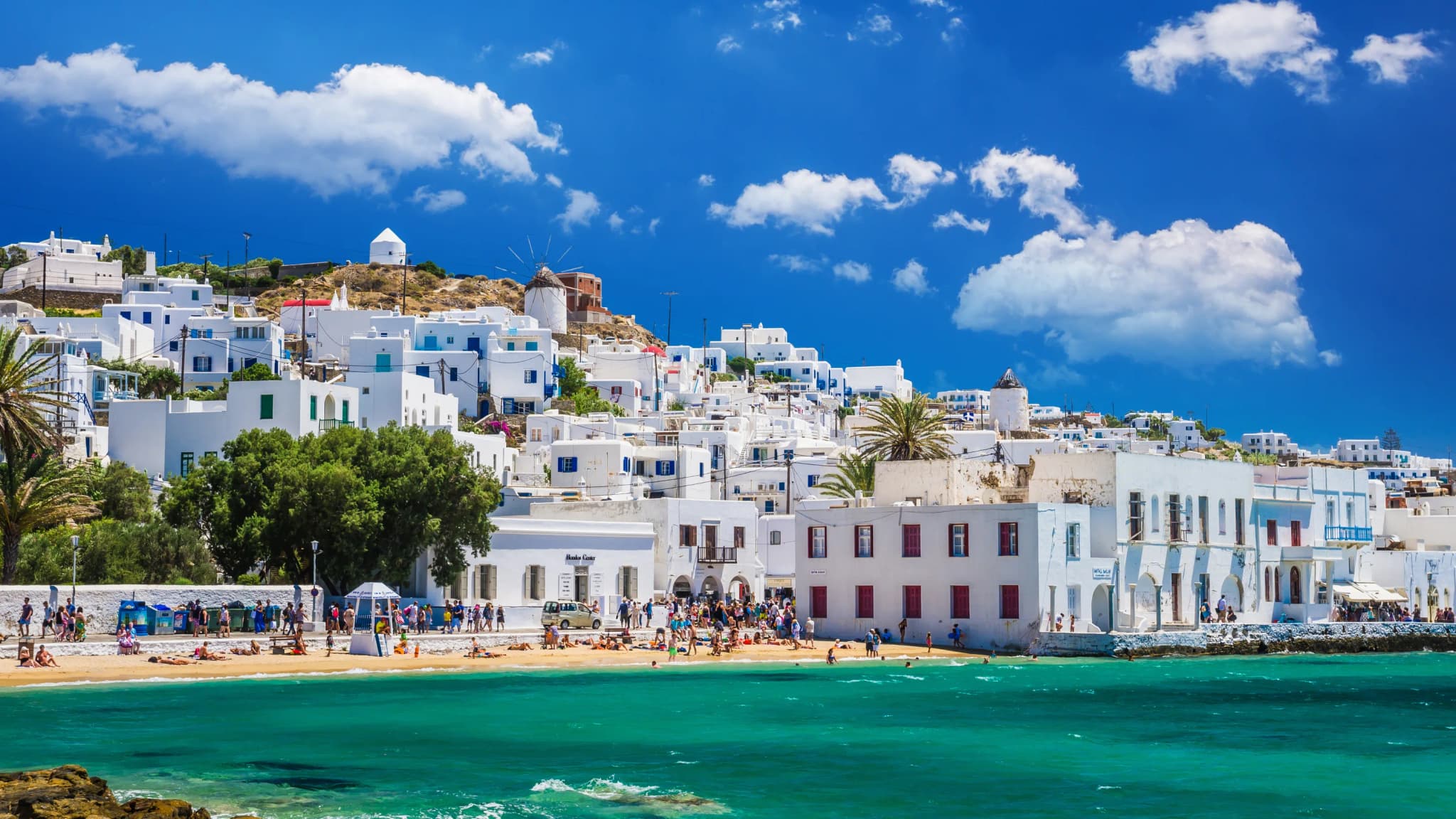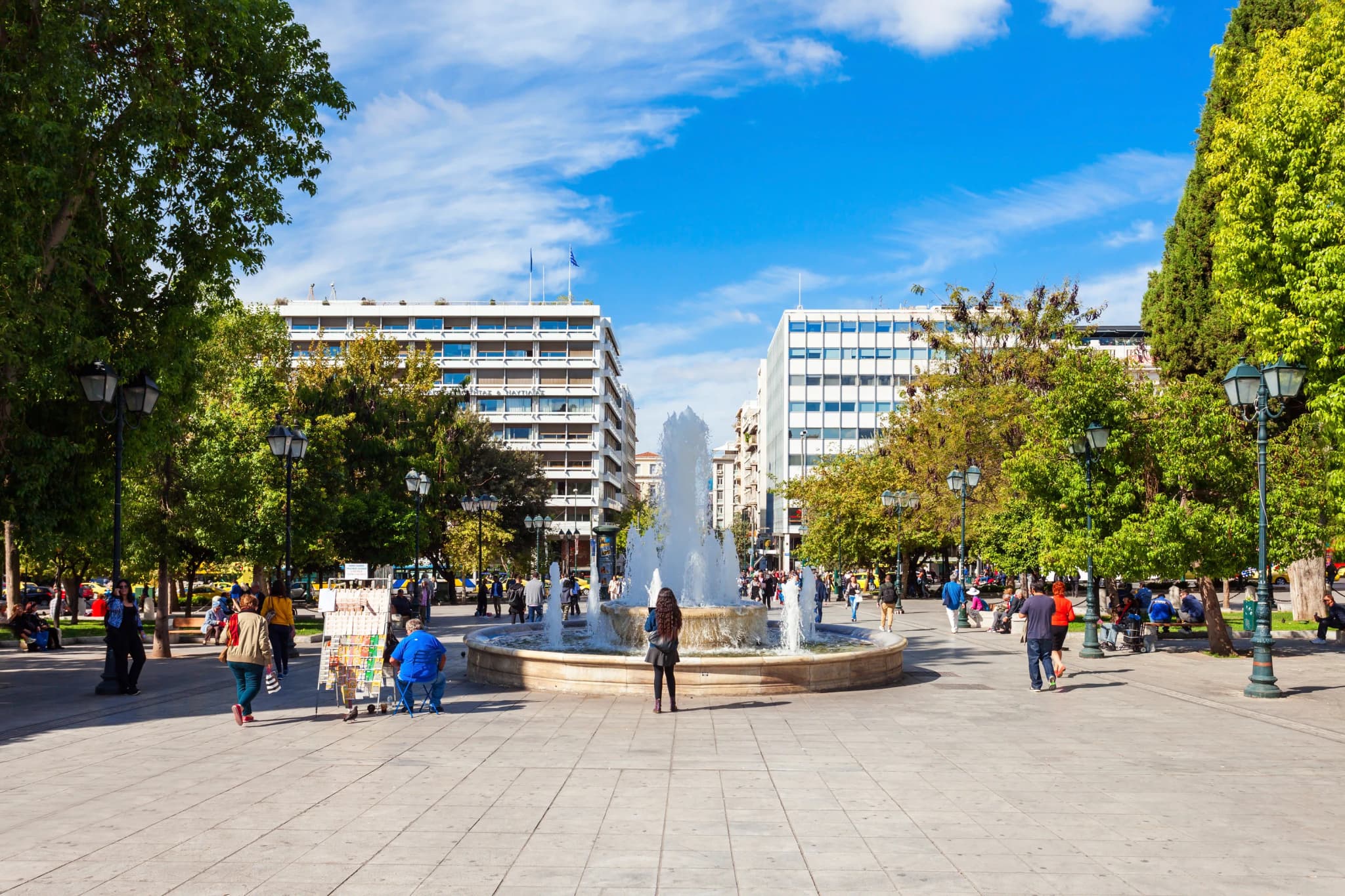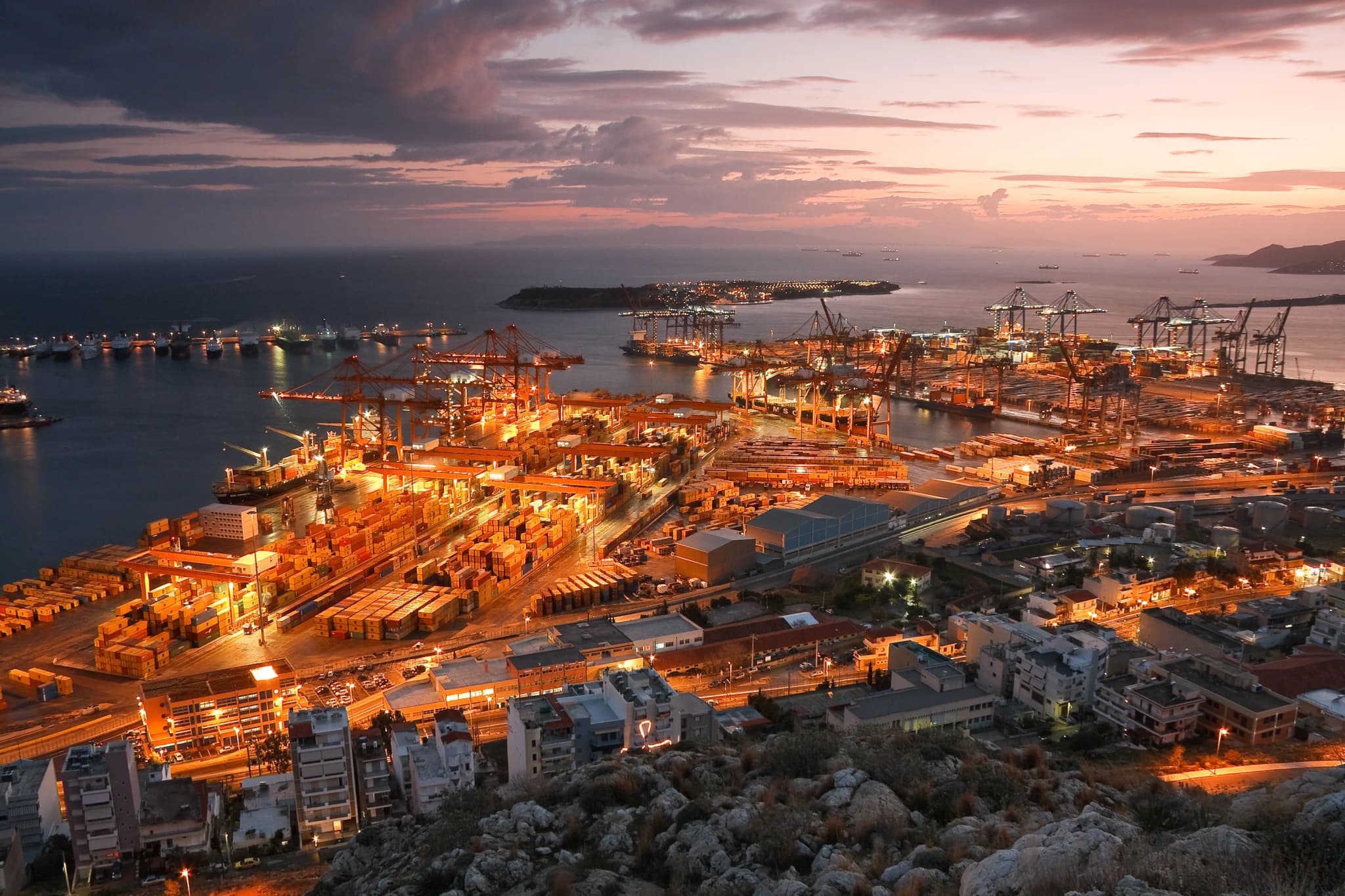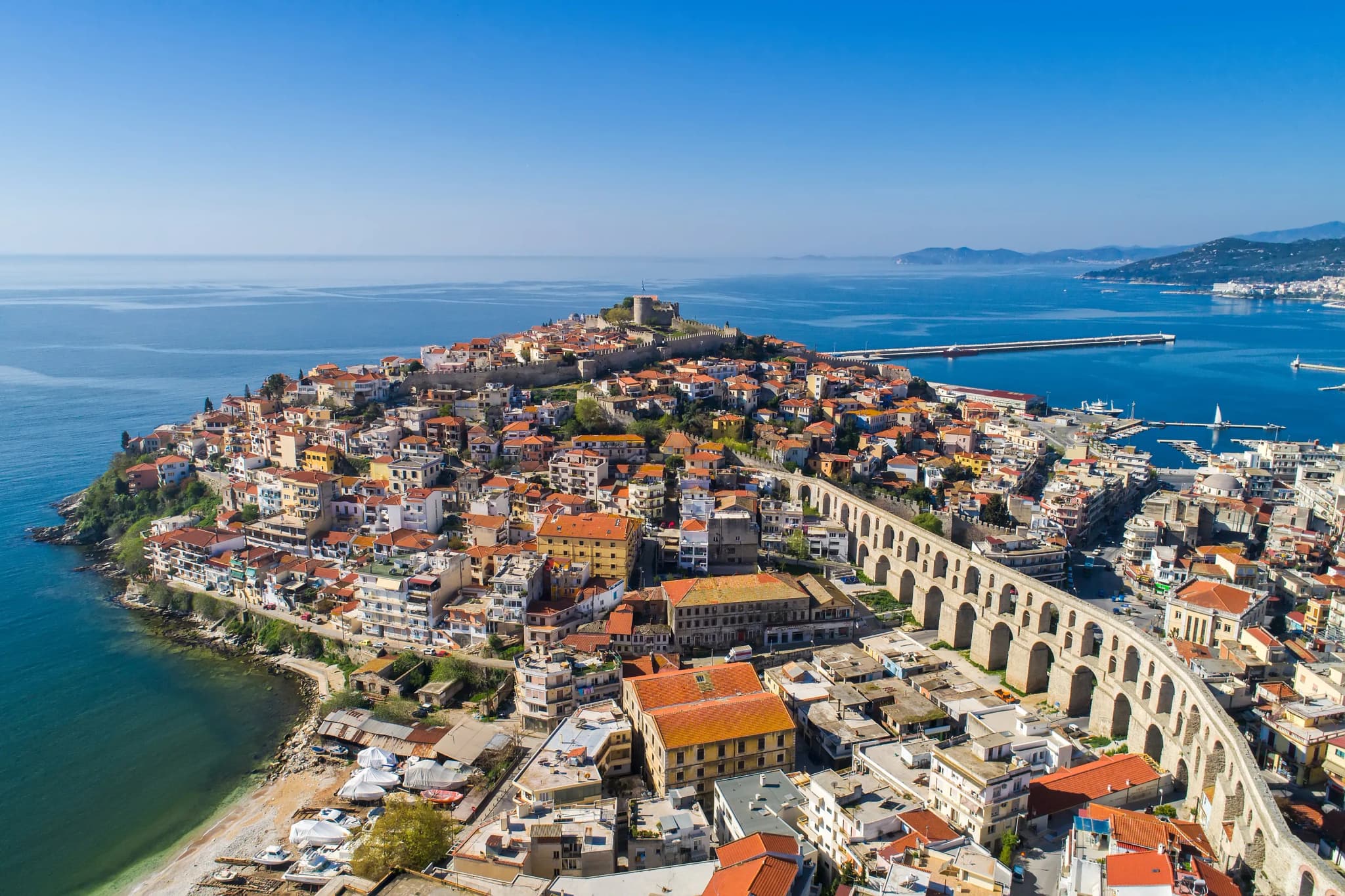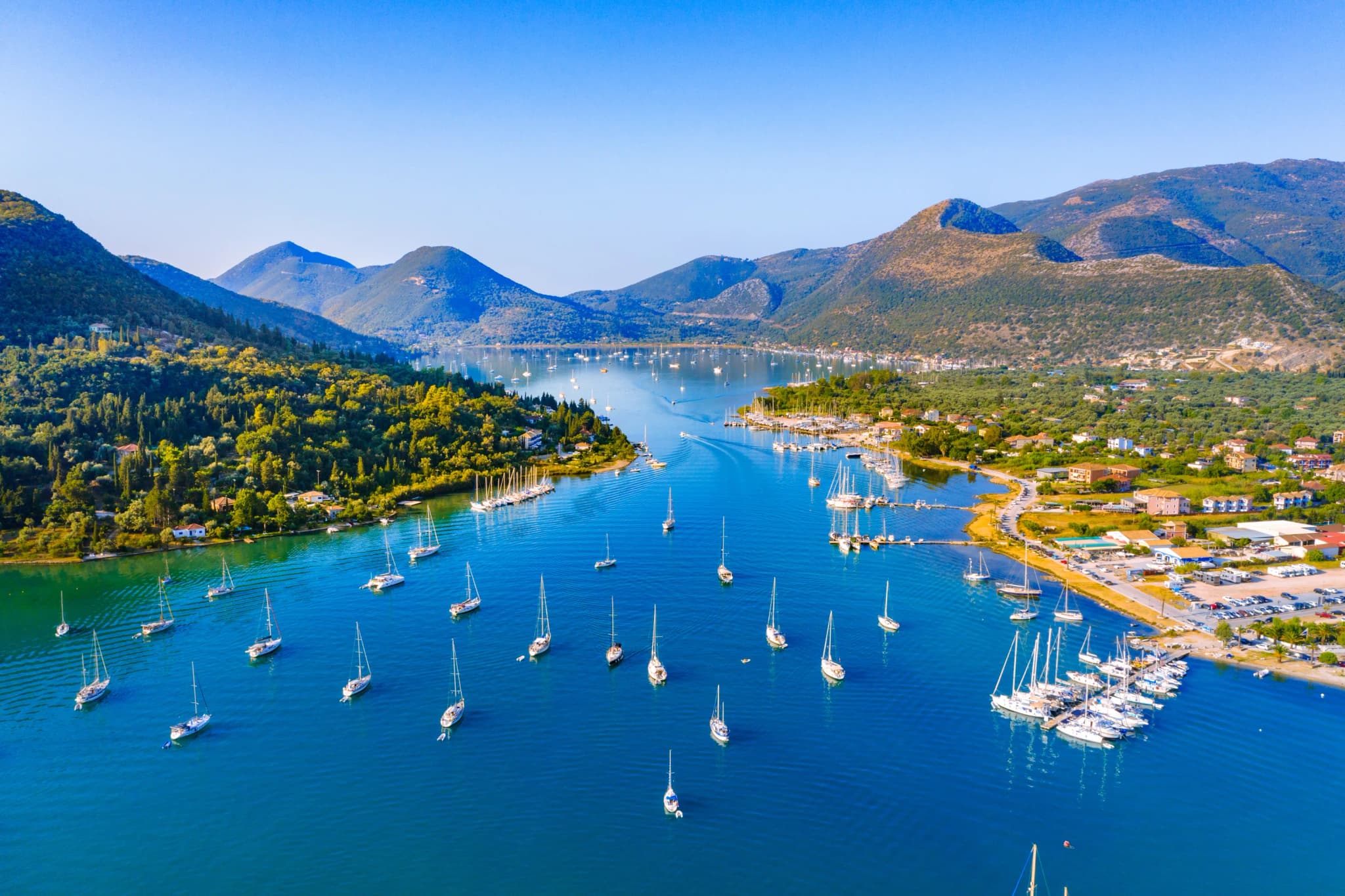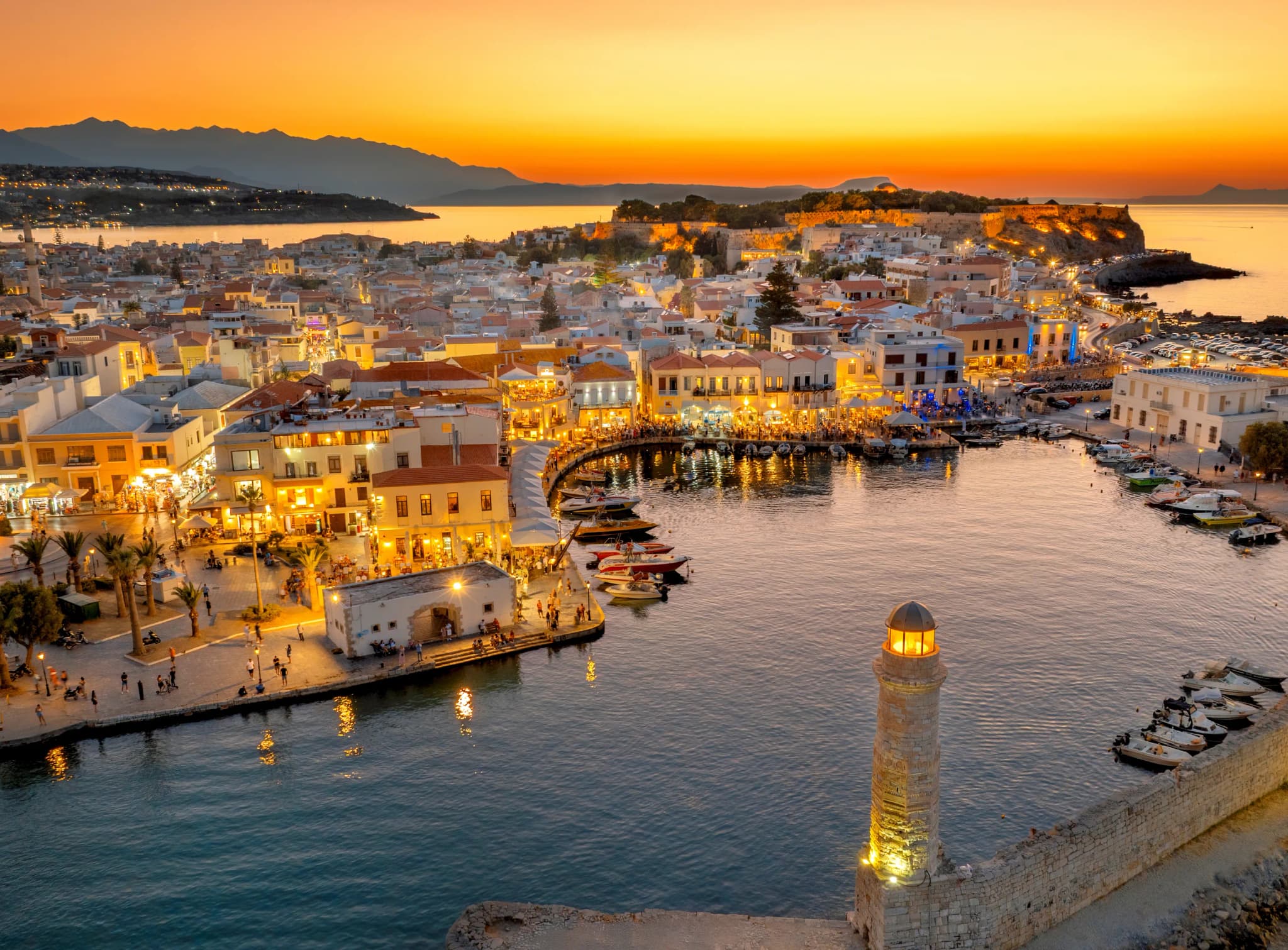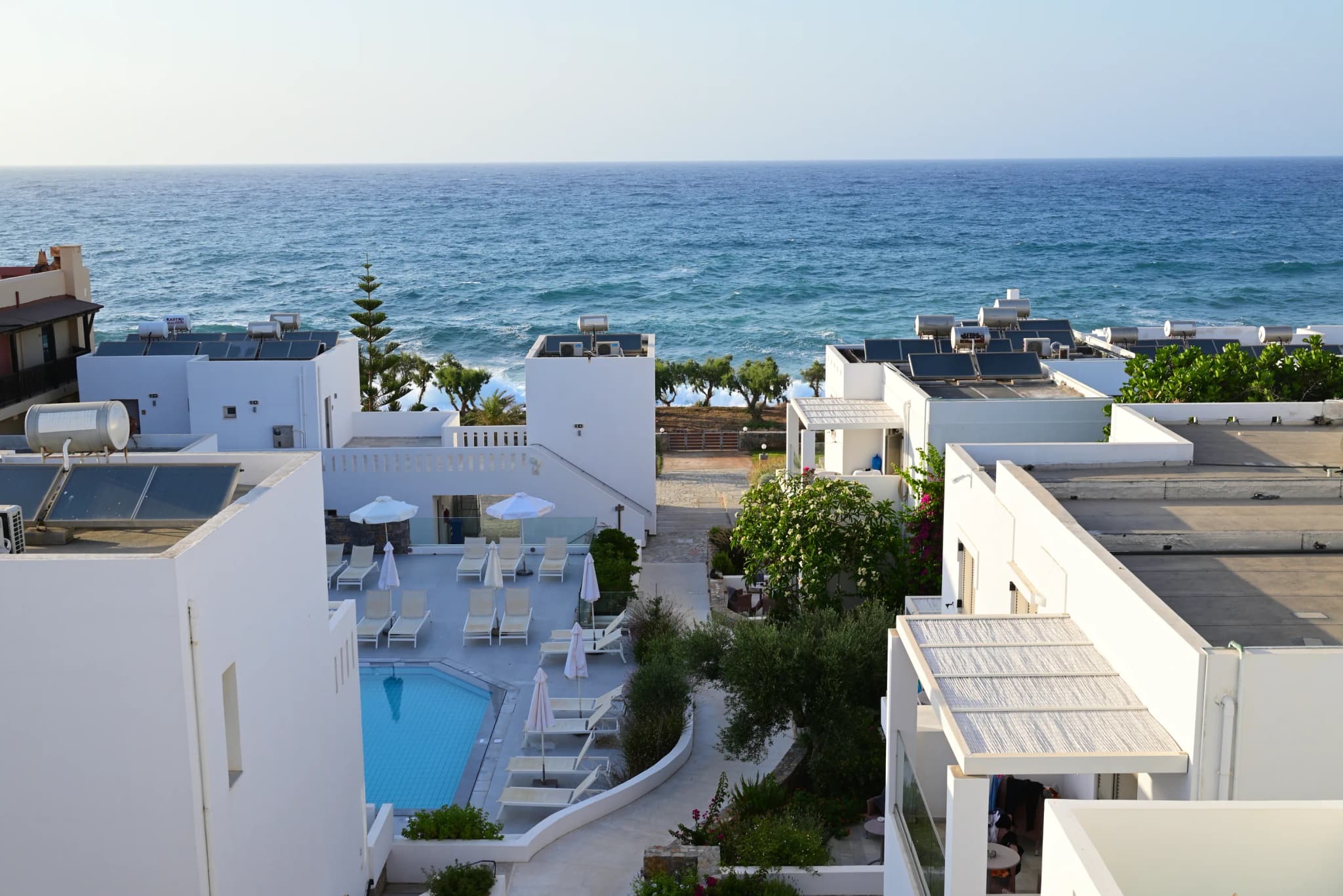





In 2026, Greece was named the number-one retirement destination in the Annual Global Retirement Index, recognised for its climate, living costs, healthcare and welcoming lifestyle[1]. Foreigners can retire in Greece by obtaining residence permits through the Golden Visa and Retirement Visa.
This article explains the residency requirements in Greece and highlights locations that are commonly chosen for retirement.
10 benefits of retiring in Greece for foreign retirees
When choosing a country for retirement, future residents usually consider legal status, living costs, healthcare, climate, and everyday comfort. Below are the main reasons why retirees often consider Greece when planning a move abroad.
1. Fast-track residency pathway
Greece Golden Visa is one of several legal routes to long-term residence commonly used by retirees. The application process typically takes around 4 months, provided the documents are submitted correctly and no additional requests are made by the authorities.
Residence permits are issued for 5 years and may be renewed. After 7 years of legal residence, foreign retirees may become eligible to apply for Greek citizenship.
Trusted by 10,000+ investors
Check your eligibility for the Greece Golden Visa
2. Moderate cost of living compared to Western countries
Living costs in Greece remain lower than in many Western European countries and the United States[2]. To maintain the same standard of living, estimated monthly expenses are around €3,500 in Athens, compared to approximately €6,000 in St Pete, Florida, and €4,500 in Lisbon.
Housing, food, transport, and everyday services are generally affordable, especially outside major tourist centres.
3. Accessible and well-developed healthcare system
Greece has a well-established healthcare system combining public and private providers. The country attracts international patients for dentistry and cosmetic procedures partly because private clinic pricing can be materially lower than in the US.
For example, some Greek clinics list a complete dental implant with a crown at around €920—1,000 per tooth, while US estimates for a single implant with the abutment and crown often fall in the $3,000—6,000 range.
For cosmetic surgery, rhinoplasty prices in Greece are commonly quoted at roughly €4,000—6,000, whereas the American Society of Plastic Surgeons reports an average base surgeon fee of $7,637 in the US, excluding facility and anaesthesia costs.
Many medical professionals speak English, especially in large cities and popular regions.
4. Mediterranean climate supporting an active lifestyle
Greece is known for mild winters, long sunny summers, and a generally stable climate throughout the year. These conditions allow retirees to:
- walk year-round along coastal promenades in areas such as Glyfada and Vouliagmeni near Athens;
- swim from spring to autumn on beaches like Kalamata Beach and St Paul’s Bay in Rhodes;
- hike on Mount Pelion near Volos or along coastal trails in Crete.
5. Discounts and benefits for older residents
Retirees in Greece access various discounts and reduced tariffs, including on public transport, museums, cultural venues, pharmacies, and selected services. These benefits help reduce everyday expenses and support an active social and cultural life.
For example, the Acropolis Museum provides discounted tickets for senior visitors, and similar rules apply at major archaeological museums. In addition, the Greek Ministry of Culture designates specific days each year when entry to public museums and archaeological sites is free for all visitors[3].
6. Convenient travel within Europe and beyond
Greek residents may travel visa-free within the Schengen Area for up to 90 days in any 180-day period.
Greece’s location in Southern Europe provides convenient access to Europe, the Middle East, and North Africa. International airports operate in Athens and Thessaloniki, with additional regional airports in Crete, Rhodes, and Corfu.
7. Ferry connections and regional mobility
Ferry travel is a common and practical way to move between Greece, neighbouring countries, and islands. For example, ferry travel to Italy typically takes around 20 hours and costs approximately €100. Turkey can be reached in about 30 minutes by ferry, with ticket prices around €25—30.
8. Welcoming social environment and everyday pace of life
Greek culture is strongly influenced by the concept of philoxenia, meaning hospitality towards guests and newcomers. Locals are generally open and communicative, which helps foreign residents adapt more easily.
Daily life in Greece tends to follow a slower, less pressured rhythm, with greater emphasis on social interaction, leisure, and time spent outdoors.
9. Cultural depth and everyday heritage
Greek culture reflects multiple historical layers, including Ancient Greece, the Byzantine period, and the Ottoman era. This heritage is visible in architecture, religious art, urban design, and regional traditions.
Museums, archaeological sites, and historical towns are integrated into everyday life rather than limited to tourist attractions.
10. Mediterranean diet and food culture
Greek cuisine is widely associated with the Mediterranean diet, which emphasises olive oil, vegetables, seafood, legumes, and grains. Common dishes such as moussaka, souvlaki, and tzatziki are part of daily meals rather than occasional cuisine.
Local food markets and seasonal produce support both affordability and nutritional balance.

Outdoor social life centres around local markets, open-air cafés, and festivals, including neighbourhood events in Thessaloniki
Cons of retiring in Greece
Despite its many advantages, retiring in Greece also involves practical challenges that may affect daily life. These factors vary by region and personal circumstances and are important to consider when planning a long-term move.
Seasonal tourism pressure
In popular destinations, high seasons can affect everyday life. Increased visitor numbers often lead to higher noise levels, particularly in central areas and during festivals or major events. Traffic congestion becomes more noticeable, and demand from tourists may result in higher prices for accommodation, dining, and certain services.
Language limitations outside major cities
While English is widely spoken in Athens, Thessaloniki, and the private service sectors, language barriers may arise in smaller towns and rural areas. Local shops, markets, and municipal services often operate primarily in Greek, especially where staff belong to older age groups.
Most official procedures and documentation are conducted in Greek. In healthcare, English-speaking doctors are common in private clinics and urban hospitals, whereas public facilities and regional hospitals may offer more limited English-language support.
Administrative complexity
Administrative processes in Greece can involve multiple stages and detailed documentation. Retirees may encounter lengthy procedures when applying for residence permits, registering with healthcare providers, opening bank accounts, or purchasing property.
Growing interest in retirement in Greece
Official statistics do not track retirement migration to Greece as a separate category. However, available data on pension payments abroad and residence permits provide indirect indicators of growing interest among retirees from the US and the UK.
Statistics from the US
According to the US Social Security Administration, in December 2023, Greece was home to 21,709 beneficiaries, including 13,251 retired workers receiving standard pension payments. While this figure includes all recipients rather than retirees only, it reflects a stable presence of Americans living in Greece during retirement years.
Additional insight comes from residence-by-investment statistics. By August 2024, 353 residence permits under the Greece Golden Visa had been issued to US nationals, representing a year-on-year increase. These permits relate to investment-based residence rather than retirement specifically, but they illustrate growing demand for long-term legal stay among US citizens.
Statistics from the UK
Following Brexit, UK citizens may stay in the Schengen Area 90 days or less in any 180-day period without a residence permit, which has increased interest in long-term residence solutions.
Data on the Greece Golden Visa shows a notable rise in applications from the UK. Reports citing the Greek Ministry of Migration and Asylum indicate that 444 initial investor residence permits were issued to British nationals over a recent 12-month period, compared to 281 during the previous year.
After 10 years, Greece Golden Visa has continued to process a high volume of cases[4]. In the first seven months of 2025 alone, authorities approved 5,044 Golden Visa applications, exceeding the 5,011 applications submitted in the same period, which indicates that new cases were being handled while the backlog was reduced.
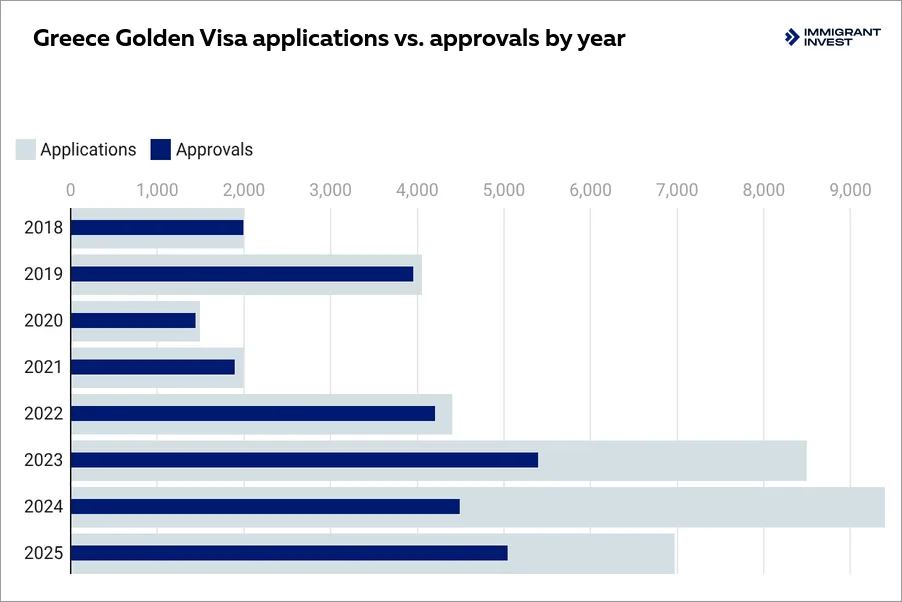
Since its launch in 2014, the Greece Golden Visa has attracted around 40,000 individual investors by the end of 2025, excluding family members
Golden Visa for retirees in Greece
The Greece Golden Visa allows non-EU citizens, including retirees, to obtain a residence permit in Greece by investing at least €250,000. The residence permit is issued for 5 years and may be renewed if the investment is maintained. After 7years of continuous legal residence, applicants may become eligible to apply for Greek citizenship under the general rules.
Family members may be included in the application. Eligible dependents include a spouse or partner and children under the age of 21, or up to 24 if they are enrolled as students.
Several investment options are available under the programme, each with its own minimum threshold:
- purchase of residential or commercial real estate — €250,000 or €800,000, depending on the property location;
- 10-year lease of tourist accommodation — €250,000;
- acquisition of timeshare rights in tourist accommodation — €250,000;
- receipt of real estate through inheritance or as a gift, provided the minimum value requirement is met — €250,000;
- purchase of shares in mutual or alternative investment funds — €350,000;
- opening a fixed-term bank deposit — €500,000;
- purchase of Greek government bonds — €500,000;
- capital investment in Greek companies — €500,000;
- purchase of corporate or government bonds admitted to trading — €800,000.
Real estate remains one of the most commonly chosen investment routes. According to market data, approximately 85,000 real estate sales contracts were concluded in Greece in the first half of 2024. Ongoing demand from international buyers and a stable tourism sector support both long-term and short-term rental activity, while property prices have shown a consistent upward trend.
Retirement Visa to Greece
The Retirement Visa, also referred to as a visa for financially independent persons, is available to non-EU citizens regardless of age. To qualify, applicants must demonstrate a stable passive income of at least €2,000 per month, received from sources outside Greece.
In addition to income requirements, applicants must place a minimum deposit of €48,000 in a Greek bank account and either rent or purchase residential property in Greece.
Family members may be included in the application. Eligible dependents include a spouse and unmarried children under the age of 21. The required bank deposit increases by 20% for a spouse and by 15% for each child. For example, a family of four is required to maintain savings of at least €72,000.
A residence permit issued under the Retirement Visa is valid for two years and may be renewed for successive three-year periods, provided the conditions continue to be met. After seven years of legal residence in Greece, the applicant may become eligible to apply for Greek citizenship under the general rules.
Examples of real estate property in Greece
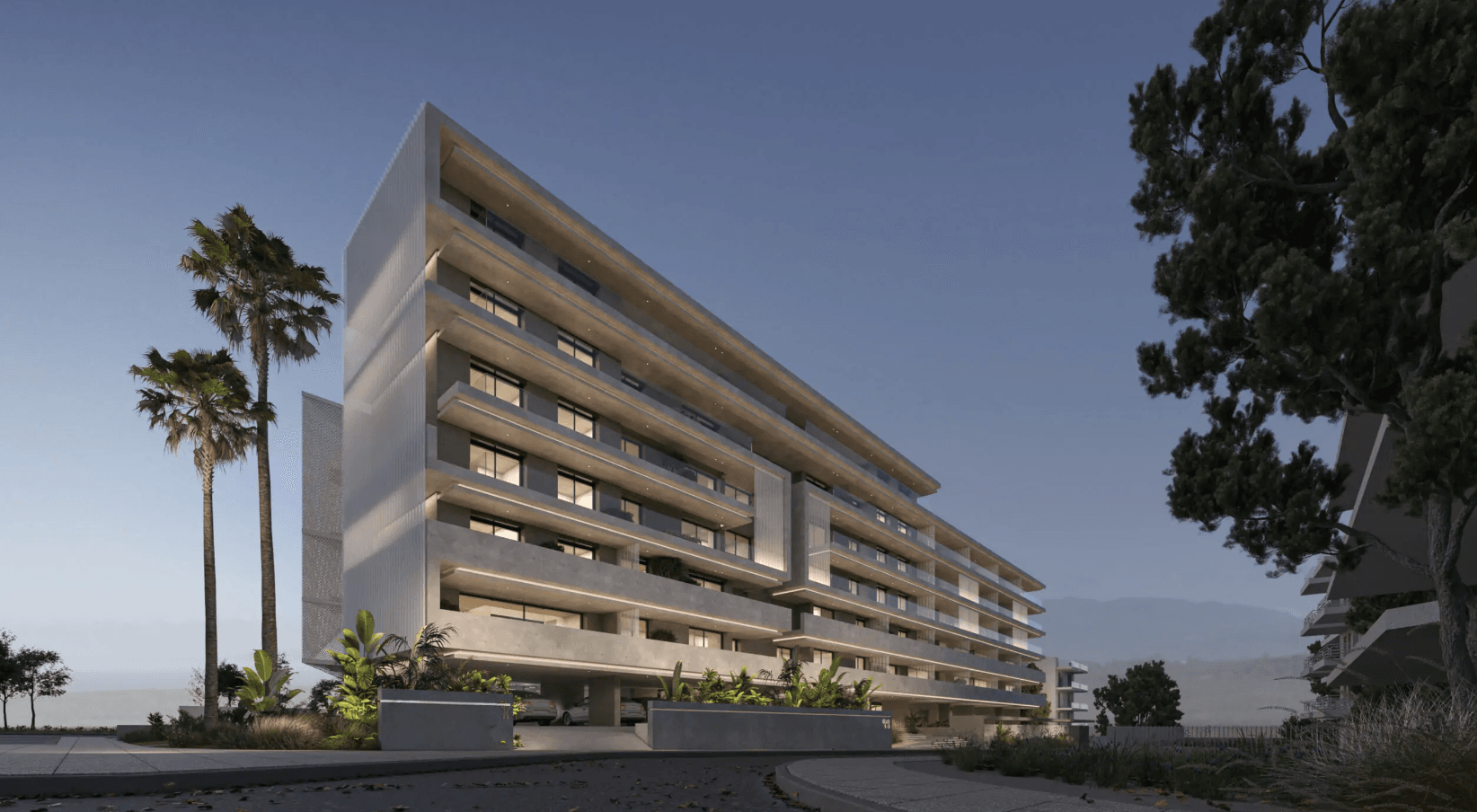

Greece, Athens
€720,000+
Cosy and stylish apartments in modern style, Glyfada, Athens
 98 m²
98 m² 2
2  2
2 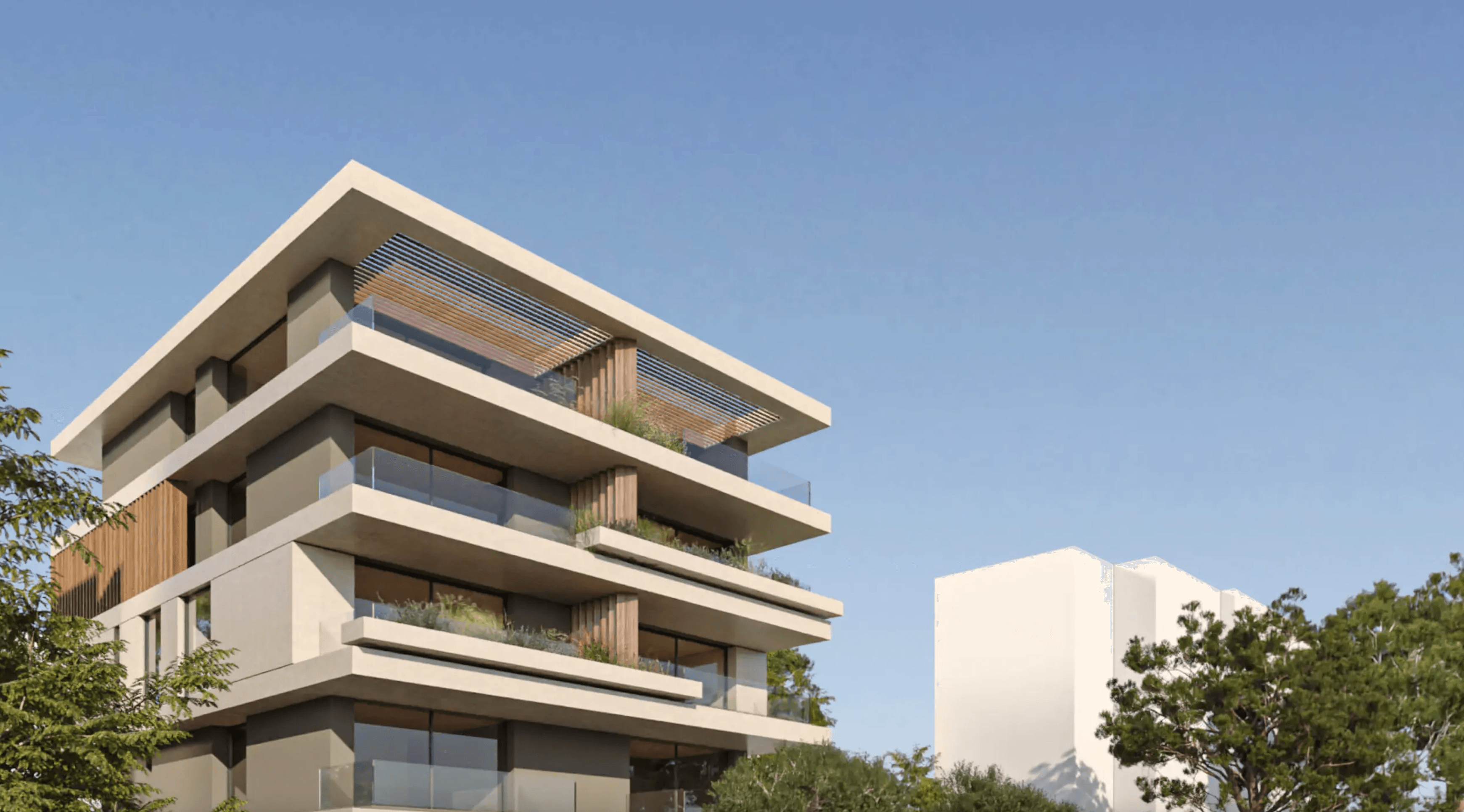
Greece, Athens
€1,185,000+
Luxury apartments, Varkiza, Athens
207 m²4 4 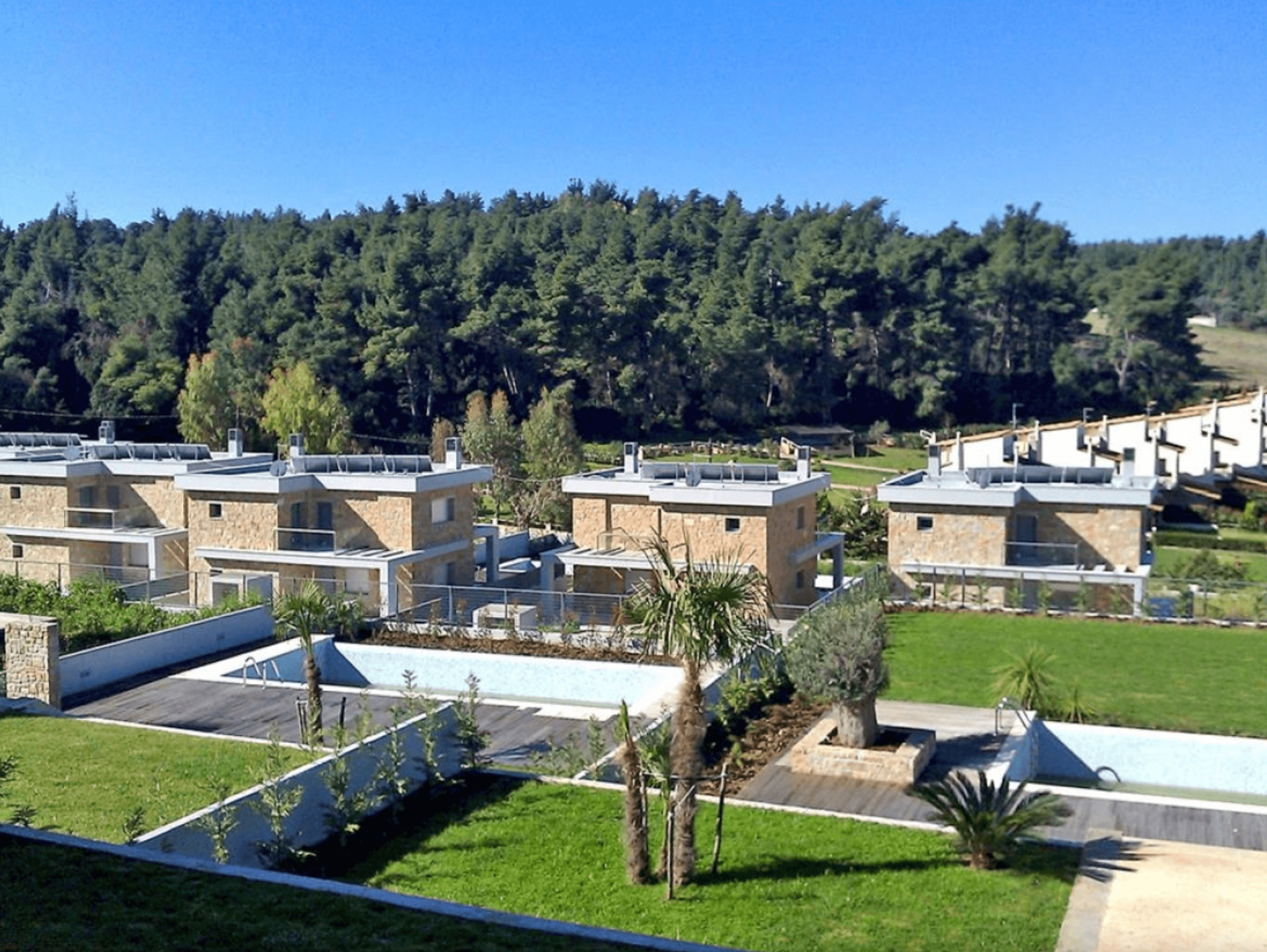
Greece, Kassandra
€505,000+
Modern villa, Sani, Kassandra
170 m²4 3 What do retirees need to know about healthcare in Greece?
The average life expectancy in Greece in 2025 was about 82.4 years, which is slightly above the EU average. In global rankings, Greece appears around 30th out of nearly 200 countries by life expectancy at birth, with figures of about 84.7 for women and nearly 80.0 for men [5].
Public healthcare system
The Greek National Health System provides public healthcare services to all insured residents, including foreign retirees who contribute to the national social security system. The public system covers a wide range of services, from primary care to specialised treatment, and operates through a network of hospitals, health centres and outpatient facilities.
Expatriates who work in Greece or make social security contributions can access public healthcare by registering with the National Social Security Fund, EFKA and obtaining a social security number, AMKA. Coverage through EFKA may involve low or no fees at the point of care, depending on individual circumstances and contribution history.
Private healthcare and insurance
The private healthcare sector in Greece generally offers shorter waiting times and access to newer medical technology compared with public facilities. Many retirees choose private providers for routine care, specialist consultations or elective procedures.
Retirees holding a Golden Visa are not required to enrol in the public system and must instead purchase private health insurance. Such policies typically include inpatient and outpatient care, dental treatments, optical care and emergency repatriation, and must be valid in Greece and across the Schengen area.
Insurance plans marketed to residence permit holders often have tiered pricing based on age. Annual premiums may start at around €90—120 for younger applicants and can exceed €1,100 for older age groups. A policy must offer minimum coverage of €30,000 for medical and repatriation costs when applying for the Golden Visa.
How are retirees taxed in Greece?
Taxation in Greece depends on an individual’s tax residency status and the applicable tax regime. In general, a person becomes a Greek tax resident if they spend more than 183 days per year in the country.
Greece offers two separate preferential tax regimes for foreign nationals who transfer their tax residence to the country. They apply to different categories of individuals and are based on different principles.
Special tax regimes
7% flat tax regime for retirees. The 7% tax applies to foreign pension income, dividends, interest, and rental income earned outside Greece. The tax is paid once a year, in a single instalment, by the end of July.
A retiree may qualify for the 7% regime if:
- they have not been a Greek tax resident for at least five of the six years preceding the application;
- their previous tax residence was in a country that has an agreement with Greece on administrative cooperation in tax matters.
The regime may be applied for a maximum period of 15 years. It is typically chosen by retirees whose main income consists of pensions and moderate passive income from abroad.
Non-domicile tax regime. The non-dom regime is not specific to retirees and is intended primarily for individuals with substantial foreign income. Under this regime, foreign-source income is taxed at a fixed annual amount of €100,000, regardless of how much income is earned abroad.
The non-dom regime may also apply for up to 15 years. To qualify, an individual must:
- invest at least €500,000 in Greek real estate, businesses, or transferable securities or shares in Greek legal entities;
- not have been a Greek tax resident for seven of the eight years preceding the transfer of tax residence.
This regime is generally considered by high-net-worth individuals with significant foreign income, rather than by retirees who rely mainly on pension payments.
Key difference. The 7% regime taxes actual foreign income at a low flat rate and is tailored to retirees. The non-dom regime replaces income-based taxation with a fixed annual payment and is suitable only where foreign income is high enough to justify the €100,000 lump-sum tax.
Standard individual income tax
Retirees who do not qualify for the special regime are taxed under Greece’s standard progressive income tax system. Rates range from 9 to 44%, and worldwide income is subject to taxation.
Rental income is taxed separately at progressive rates from 15 to 45%, depending on the amount received.
Other taxes applicable in Greece include:
- 22% — corporate income tax;
- 0 to 10% — solidarity contribution, depending on income level and applicable rules;
- 1 to 40% — inheritance and gift tax, depending on kinship and value;
- 3% — property transfer tax, calculated on the property value;
- 24% — standard VAT rate;
- 13% and 6% — reduced VAT rates for specific goods and services, including food, medicines, and cultural events.
Tax considerations for US retirees in Greece
American citizens who spend at least 183 days per year in Greece are generally considered Greek tax residents and are required to pay taxes in Greece in accordance with local rules.
At the same time, US citizens remain subject to US tax reporting obligations regardless of where they live. This includes the requirement to file an annual US federal tax return.
To avoid double taxation, Greece and the United States have a double taxation treaty in place. Under this framework, US taxpayers may claim a Foreign Tax Credit for income taxes paid in Greece by filing IRS Form 1116 as part of their federal tax return. This mechanism allows Greek taxes paid on the same income to be credited against US federal tax, subject to US tax law limitations.
Cost of living in Greece
Property prices and rental rates are often around 40—50% lower than in the major US cities. In Athens, monthly rent for a one-bedroom apartment typically starts at around €500, while a three-bedroom apartment costs from €900. In Thessaloniki, comparable rents are approximately €400 and 700. In smaller cities such as Kalamata, monthly rent may start at €300 for a one-bedroom apartment and around €500 for a three-bedroom property.
Overall living costs in Greece remain competitive by international standards. To maintain a similar standard of living, estimated monthly expenses, including rent, are around €1,500 in Greece and Portugal. By comparison, costs are closer to €3,000 in the US and €2,500—3,000 in the UK, depending on location and lifestyle.
Average expenses in Greece, Portugal, and the US
Source: Numbeo.com
Best coastal places to live in Greece for retirees
Greece offers a wide range of coastal cities and towns that combine access to the sea with healthcare, infrastructure, and everyday comfort. Retirees tend to choose locations with hospitals, international transport links, and an established local or expatriate community.
Athens
Athens remains one of the most common choices for retirees who prioritise healthcare access and urban infrastructure. The wider Athens metropolitan area is home to around 3.2 million people, making it the most populous region in Greece. This concentration supports the country’s largest network of public and private hospitals, specialised clinics, and diagnostic centres.
The city offers extensive public transport, including metro, trams, buses, and suburban rail, which is particularly relevant for retirees who prefer not to drive. Athens also hosts one of the largest expatriate communities in Greece, providing social networks, English-speaking services, and international cultural events.
At the same time, population density and tourism contribute to congestion, especially in central districts and during peak travel seasons. For this reason, many retirees choose coastal suburbs such as Glyfada, Voula, or Palaio Faliro, which offer easier access to the sea while remaining connected to the city centre.
Thessaloniki
Thessaloniki is Greece’s second-largest city, with a population of around 1 million in the metropolitan area. It is often viewed as a more relaxed and affordable alternative to Athens, while still offering major hospitals, universities, and cultural institutions.
The city is known for its seafront promenade, historic centre, and year-round cultural life, including the Thessaloniki International Film Festival. Living costs and rental prices are generally lower than in Athens, which makes the city attractive to retirees seeking an urban environment without capital-city prices.
Public transport currently relies mainly on buses, though a metro system is under development and expected to improve mobility in the coming years. Thessaloniki is often chosen by retirees who value walkability, dining culture, and proximity to northern Greece and the Balkans.
Rhodes
Rhodes is one of the most established island destinations for foreign residents, including retirees. The island has a permanent population of over 115,000 and maintains year-round infrastructure, including hospitals, international schools, and an international airport with regular connections to mainland Greece and Europe.
With more than 300 sunny days per year, Rhodes supports an outdoor-oriented lifestyle. The island combines beaches, historical sites, and organised cultural events, such as the Medieval Rose Festival and seasonal local markets.
Retirees often choose Rhodes for its balance between island living and practical services, though healthcare for highly specialised treatment may still require travel to Athens.
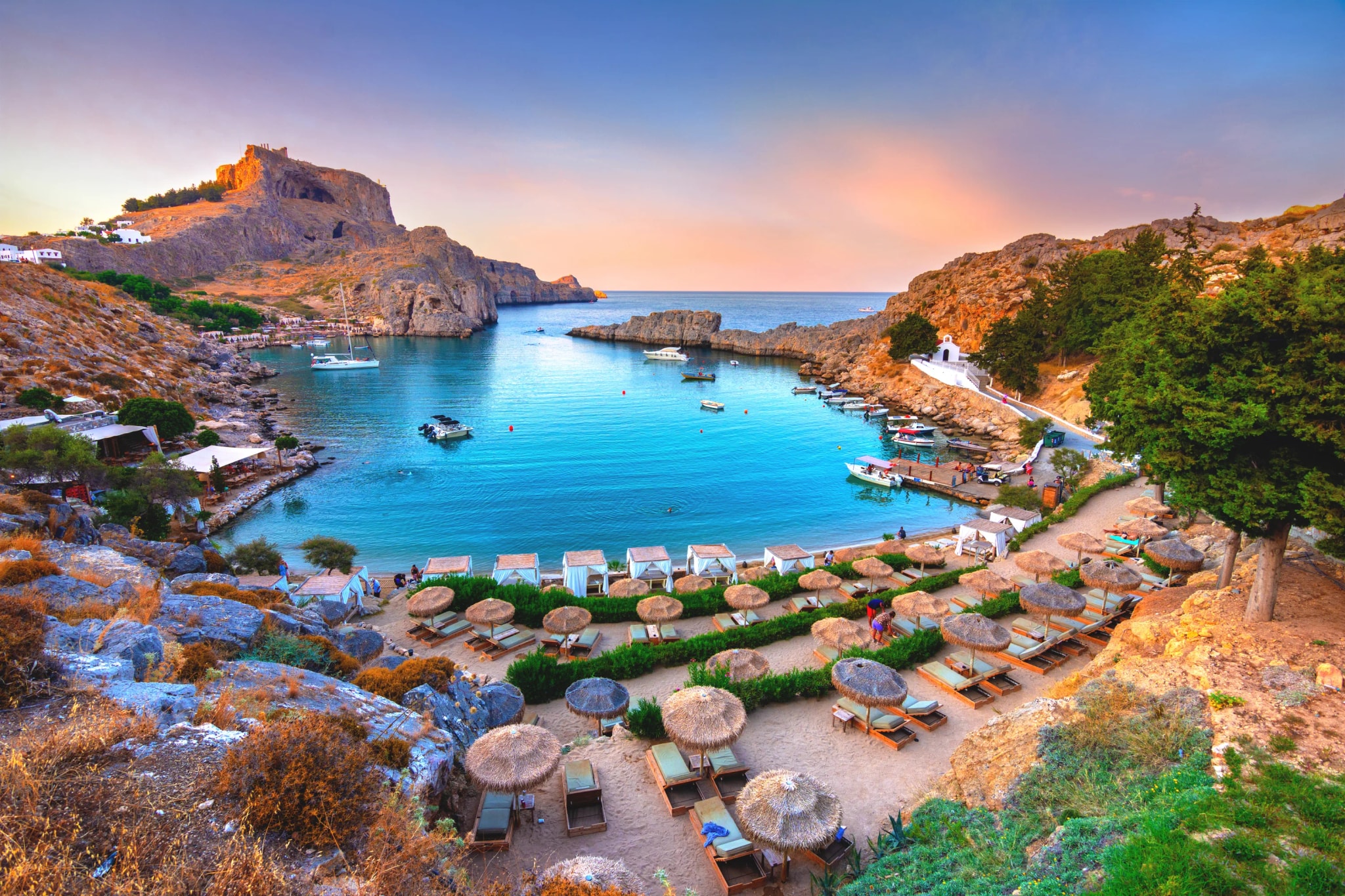
UNESCO-listed Medieval City of Rhodes is a focal point of daily life rather than a purely tourist area
Volos
Volos is a mid-sized coastal city with a population of around 140,000, located between the Pagasetic Gulf and Mount Pelion. Its geography makes it unusual among Greek retirement destinations, offering both seaside living and access to mountainous areas.
The city is known for its long waterfront promenade and compact urban layout, which suits daily walking and social life. Proximity to Mount Pelion allows access to hiking in summer and skiing in winter, offering seasonal variety that appeals to active retirees.
One of Volos’s distinctive features is the historic narrow-gauge railway connecting Ano Lechonia and Milies. While primarily a tourist attraction, it reflects the area’s slower pace of life and strong local identity.
Kalamata
Kalamata, with a population of approximately 55,000, is often selected by retirees looking for a smaller city with good transport links and a strong local economy. The city has an international airport, modern road connections, and access to healthcare facilities serving the wider Messinia region.
Kalamata is widely associated with olive production and Mediterranean agriculture, which shapes local cuisine and daily life. Beaches such as Kalamata Beach and Mikri Mantineia are integrated into the city rather than separated resort zones.
The city hosts events such as the Kalamata International Dance Festival, which attracts international participants and visitors. Its historic old town and local markets contribute to a strong sense of community, which is often cited by retirees as a key advantage of living there.
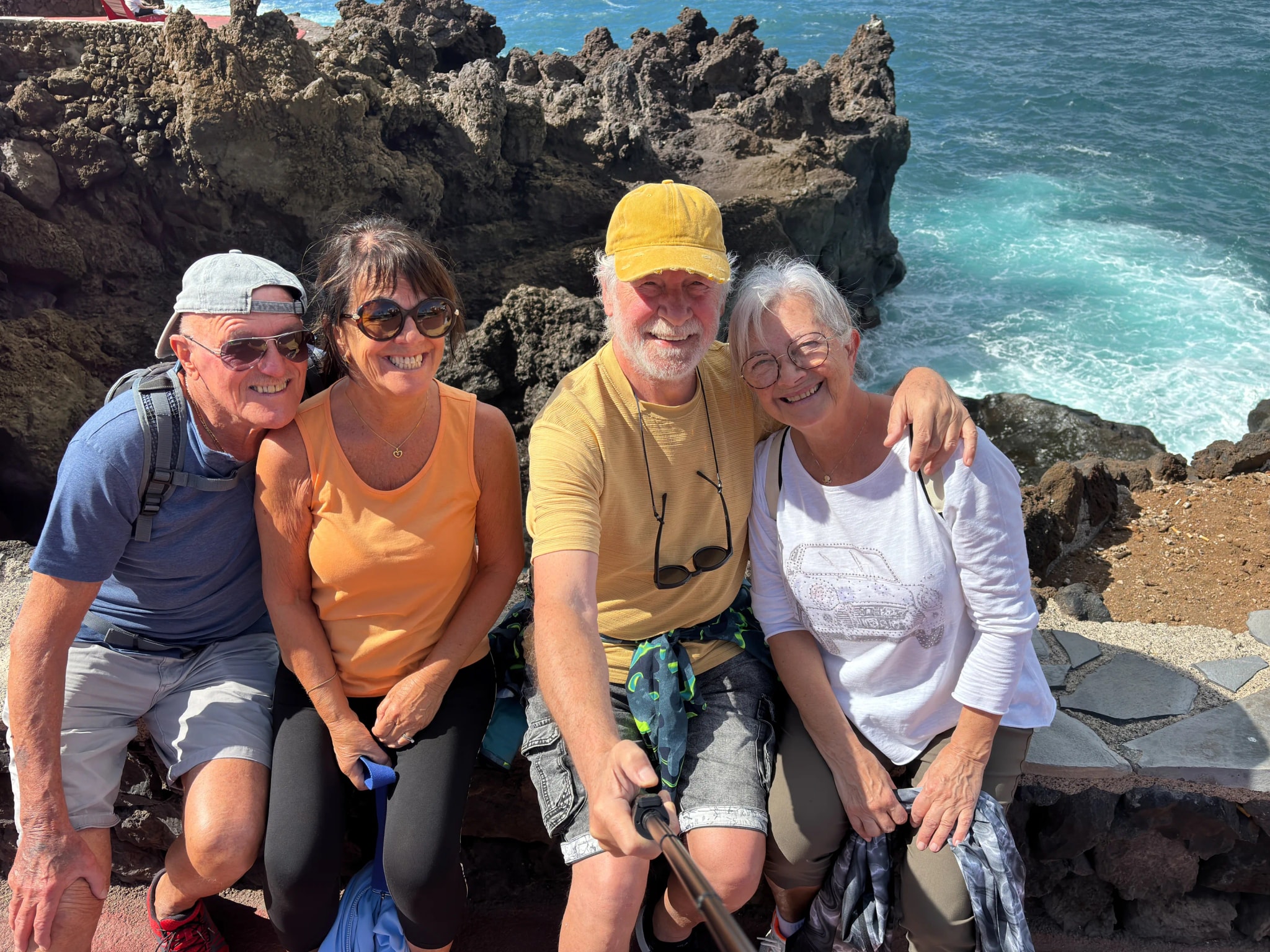
Many retirees adopt daily walks by the sea after moving to Greece
What do retirees need to know about the banking system in Greece?
The Greek banking system is dominated by four major institutions: the National Bank of Greece, Piraeus Bank, Alpha Bank, and Eurobank. Together, they account for around 85% of the country’s banking assets. All four banks provide standard retail banking services, including current and savings accounts, debit and credit cards, online and mobile banking, and basic investment products.
Most bank branches operate from 8:00 a.m. to 2:00 p.m., Monday to Friday. Some branches, particularly in large cities and shopping areas, offer extended hours or limited Saturday service, though this varies by location.
To open a bank account in Greece, retirees are typically required to provide:
- valid passport or national identity card;
- proof of address, such as a rental agreement, utility bill, or property ownership document;
- Greek tax identification number;
- proof of income, for example, pension statements or recent bank statements;
- documentation related to social security deductions, where applicable.
New clients must undergo a due diligence check in line with Greek and EU banking regulations. Banks may request additional documents to clarify the purpose of the account and the origin of funds. The verification process usually takes up to one week but may take longer in more complex cases.
Account maintenance fees are generally low, and basic current accounts are often free of charge. Savings and term deposit accounts usually require a minimum initial deposit. For example, Alpha Bank typically requires around €300 to open a savings account and €5,000 for a fixed-term deposit, while the National Bank of Greece may require no minimum balance for savings accounts and around €3,000 for term deposits.
Interest rates on savings accounts and deposits in Greece remain low, commonly around 0.1% per year. Some banks offer specialised pension accounts with small bonuses or preferential terms. Monthly service fees for such accounts vary, with charges of around €2 per month at the National Bank of Greece as an example.
Brief summary on retiring in Greece
- Greece is one of the most attractive retirement destinations, combining climate, lifestyle, and accessible residence options. Its top position in the 2026 Annual Global Retirement Index reflects long-term factors rather than short-term trends.
- Foreign retirees can apply for the Greece Golden Visa, which is based on investment and does not require permanent stay. The programme provides a legal pathway to long-term residence, with the possibility of applying for citizenship after seven years, subject to statutory requirements.
- Greece offers moderate living costs compared to many Western countries, particularly outside major tourist centres.
- Healthcare is accessible through both public and private systems, while private insurance provides flexibility for Golden Visa holders.
- The tax system includes a special 7% regime for foreign retirees, alongside alternative options such as the non-domicile regime for high-net-worth individuals.
Immigrant Invest is a licensed agent for citizenship and residence by investment programs in the EU, the Caribbean, Asia, and the Middle East. Take advantage of our global 15-year expertise — schedule a meeting with our investment programs experts.

Compare all available Golden Visas to find your best option
- Master the residency process
- Get expert tips and documents
- Estimate costs accurately
 Trusted by 10,000+ investors
Sources
- Source: Best places to retire, Global Retirement Index 2026
- Source: Cost of living comparison, Numbeo
- Source: Free admissions to archaeological sites, Acropolisathens
- Source: Greece life expectancy, Georank
- Source: Greece Golden Visa statistics, Greek Finance Forum